















If you walk through the halls at MacDonald High School, it’s not unusual to spot the familiar sight of coffee tumblers and energy drinks stuffed into the sidepockets of overfilled backpacks. For many juniors and seniors at MHS, the consumption of caffeine has become a sacred ritual, necessary to push through a groggy Monday morning.
According to a recent survey of upperclassmen in the school, 90.9% of students indicated that they regularly consume caffeine. Within this majority, 54.5% reported coffee as their primary source of caffeine, while 36.4% said energy drinks were their go-to choice. The data reveals more than just preference — it highlights two distinct approaches to surviving the school day.
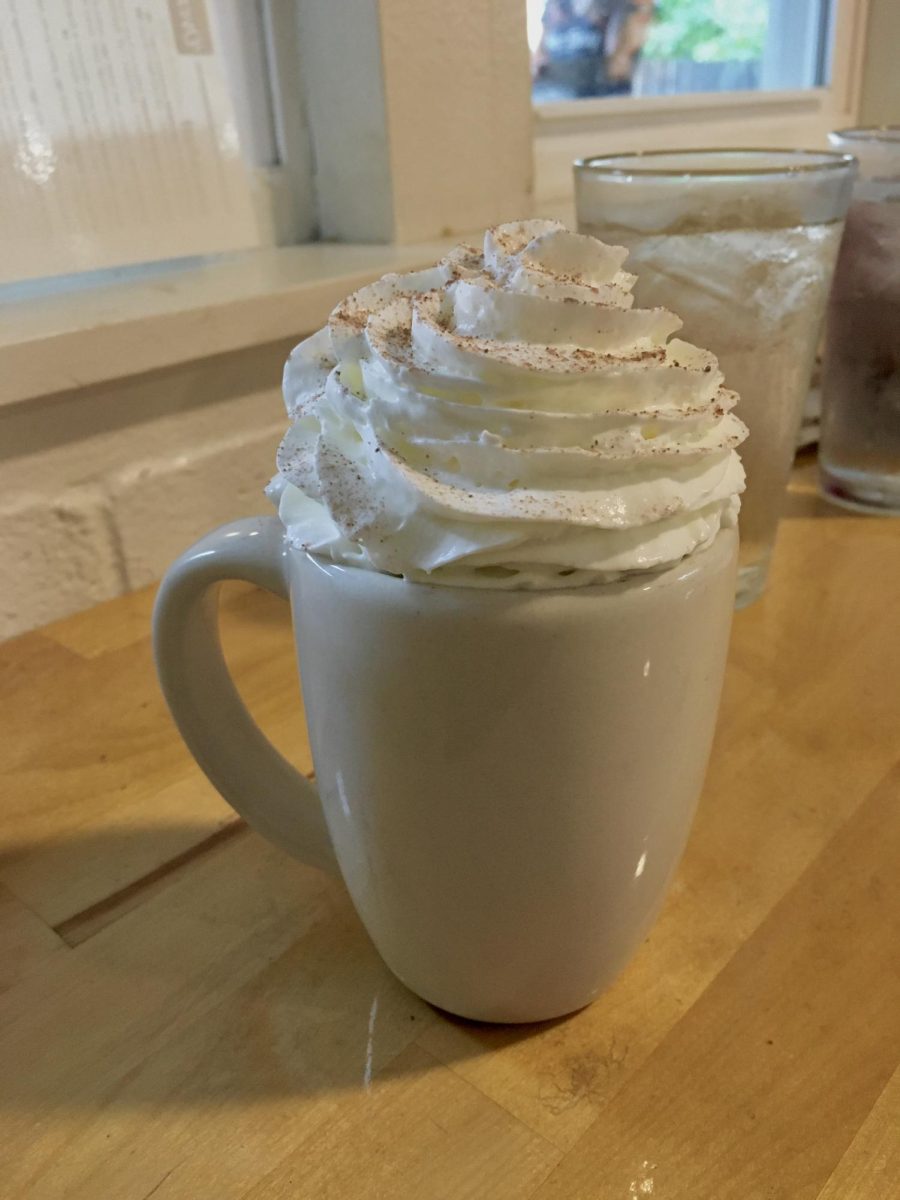
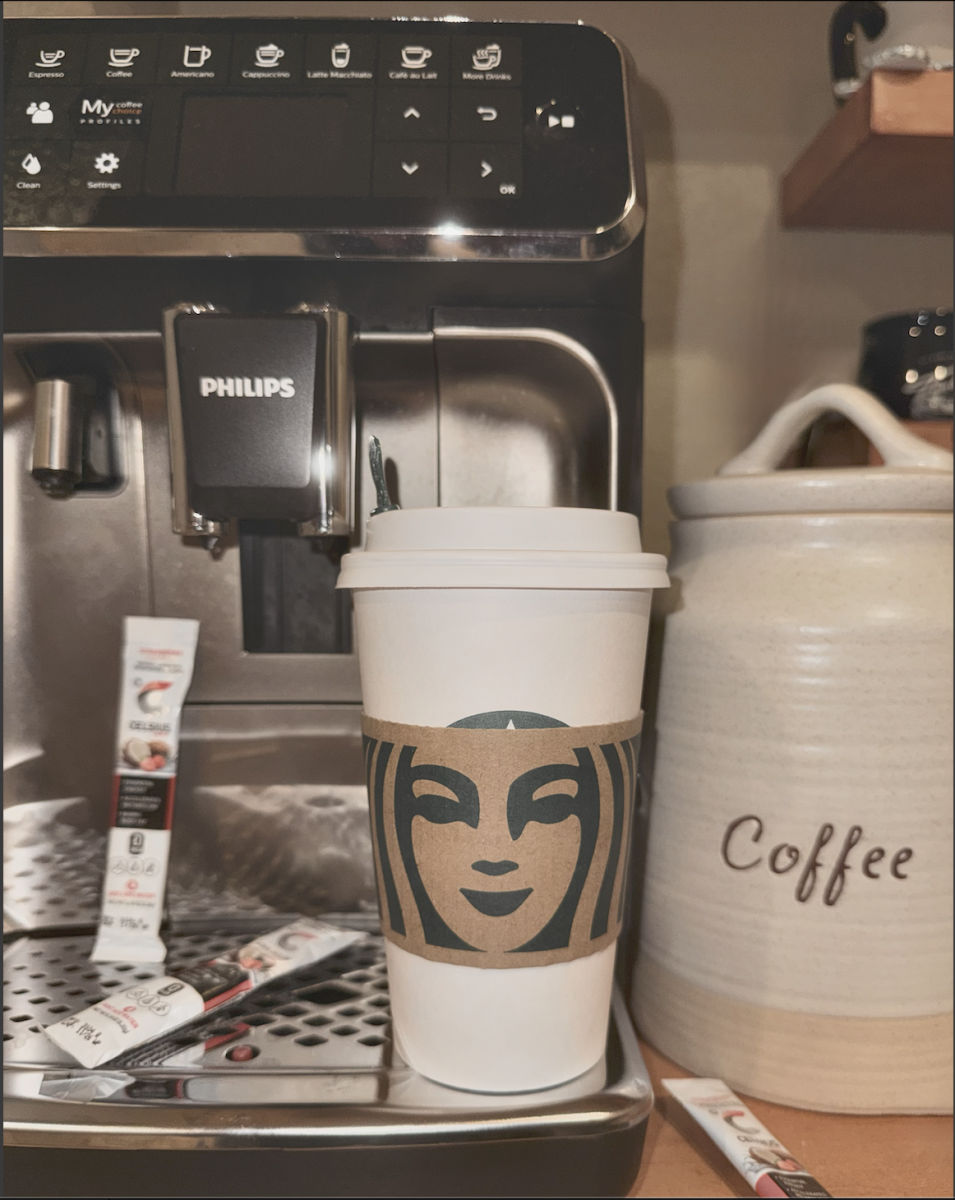
Those who chose coffee most often cited the taste as what first drew them in. Seniors and Juniors alike said they started to drink coffee because they like the taste, or simply because they are partial to certain coffee shops, like Starbucks. Most reported drinking coffee once a day, reflecting a trend that suggests the frequency of coffee consumption. Across these responses, nearly all described feeling somewhat energized afterward, and many noted a noticeable boost in productivity. Coffee, for many, seems to balance caffeine’s energy boost with comfort and routine — a steady source of motivation that fits easily into student life.
Energy drink users, on the other hand, expressed a more utilitarian relationship with caffeine. Reasons for starting ranged from being introduced through a friend to using them as a [stronger] alternative to coffee. A clear pattern emerged: while energy drink consumption typically occurred two to four times a week (a less frequent trend than those who consumed coffee), several respondents reported feeling less energized after consuming energy drinks, and noted no change in productivity at all. Unlike the coffee drinkers, this group relied on caffeine less for enjoyment and more for the quick, high-intensity energy spike it provides — despite its apparent failure to provide the necessary early-morning boost.
Ultimately, these findings paint a picture of a high school culture defined by caffeine. Whether it’s a caramel latte or a can of Red Bull, students are finding different ways to push through early mornings, late nights, and daunting math tests.
At MacDonald High, caffeine isn’t just a beverage choice — it’s a lifestyle. Some prefer the calm consistency of coffee; others chase the instant alertness provided by an energy drink. But either way, the message is clear: when the grade level rises, so does the need for caffeine.