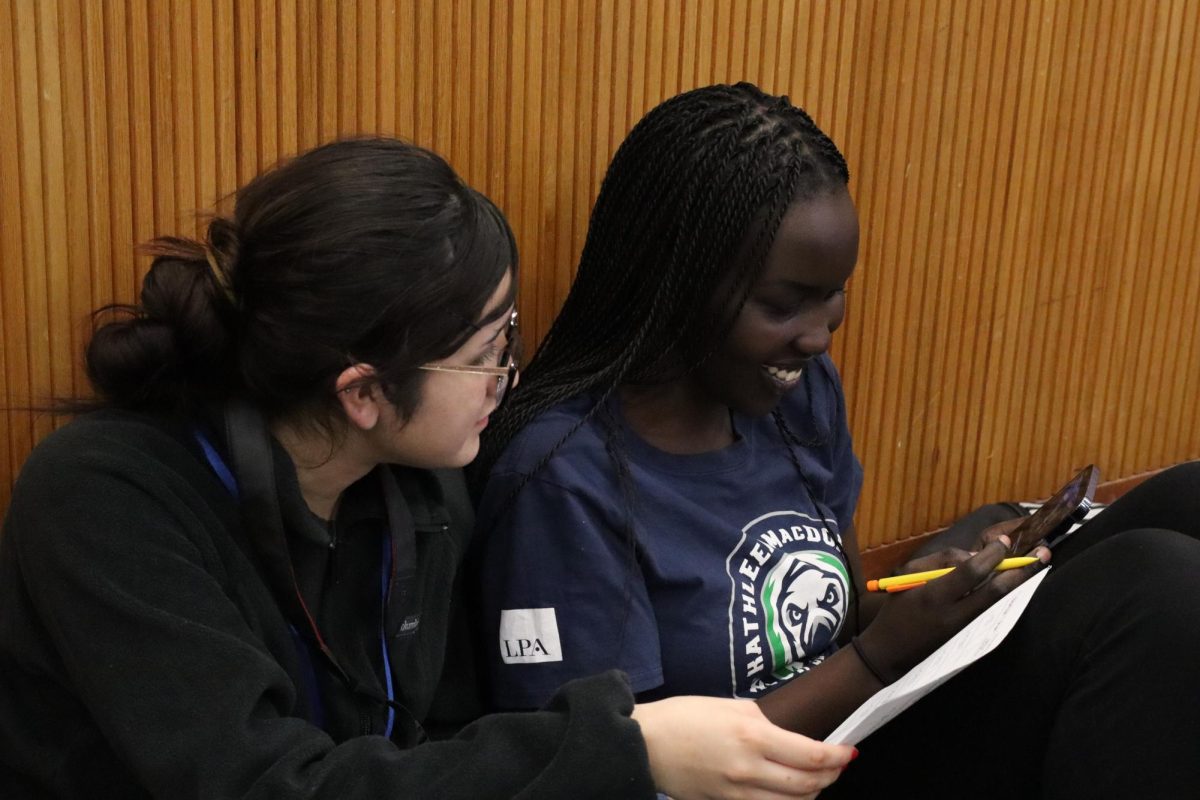










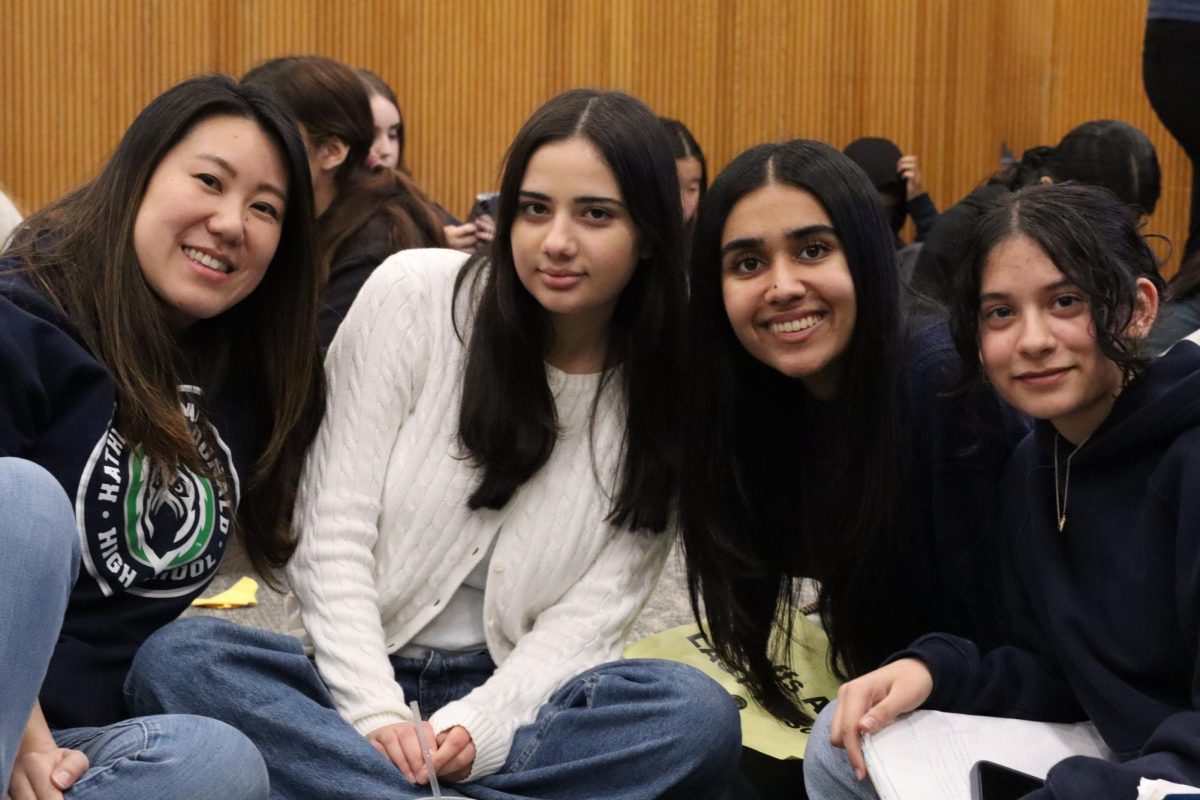


At Kathleen Macdonald High School (KMHS), the Specialized Academic Instruction (SAI) and co-teaching models are designed to ensure students with Individualized Education Programs (IEPs) and 504 plans receive consistent , personalized support. The service focuses on relationship-building, closing academic gaps, and providing a “two-teacher” classroom environment. As the Santa Clara Unified School District (SCUSD) moves forward with a 30 million “right-sizing” plan, students who rely on these specialized services face the potential loss of the staff and systems that have defined their high school experience.
A source from KMHS, who requested anonymity to speak freely about district policy, said that losing staff is particularly damaging for those with special needs.
The source said, “We have to remember that students with IEPs are some of the students that have probably the most difficult time building relationships with teachers.”
The source explained that educators who have worked with a student for years understand exactly where their learning gaps are located.
“New teachers that come in, and it’s not their fault, they won’t know that gap.”
They noted that for juniors transitioning into their senior year, there is very little time to waste on a “learning curve” for new staff.
Beyond personal relationships, the right -sizing plan threatens the co-teaching model that KMHS has utilized since its opening. This model places two teachers in one classroom to support all students simultaneously.
The source said, “The advantage that KMHS has had is that we have had two teachers in the classroom from Day One.”
The source expressed concern that budget cuts might make it impossible to maintain this standard.
“If there are less teachers, then how can we promise that there will be two teachers in there [the classroom].”
According to the source, the presence of a second teacher allows for more “face time” and flexibility, ensuring that no student has to wait for help.
“Every kid that raises their hand doesn’t have to wait for their teacher to come see them, because there’s always a second person there.”
Students who have lived through the IEP process emphasize that these teachers are what allow them to succeed. Maritza Zamora Aguilar, a senior at KMHS, shared her history of learning to navigate her education plan.
“I learned how to speak up for myself, to ask questions, and to find systems that worked for me,”Aguilar said
She noted that her success was a result of both her hard work and the support system provided by the school.
“I leaned on the support of teachers and my IEP case manager.”
She explained that her IEP became a guide for what she needed to thrive rather than a label of what she lacked.
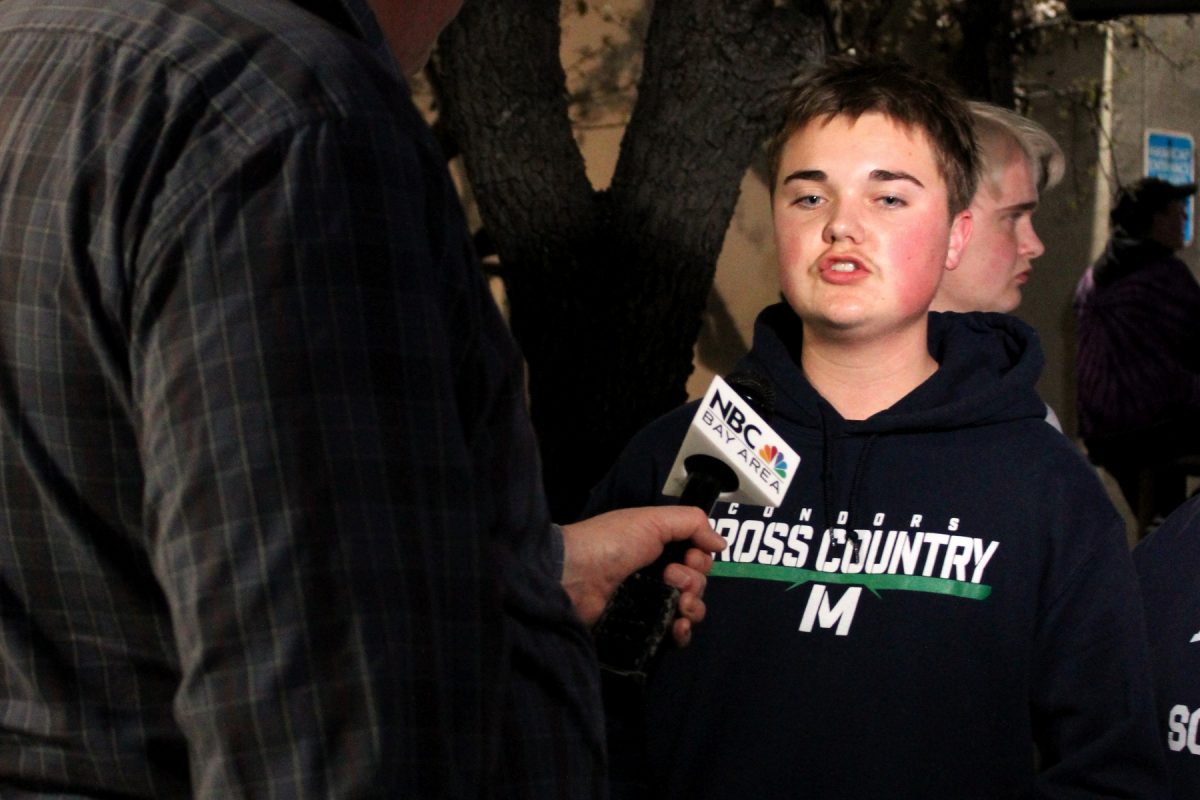
As students and staff prepare for potential changes, many have turned to advocacy to protest the district’s proposal. Ovyanah Sample, a student in leadership at KMHS, said that students have been active in spreading awareness, despite some friction from administration regarding distributing the flyers.
“I feel like students should have the voice to do what they want.”
Sample explained that while she understands that administration wants to ensure safety, she believes students should not have to go through an approval process to exercise their rights.
“I also know that students shouldn’t have to go through admin to advocate, like use their 1st amendment [right].”
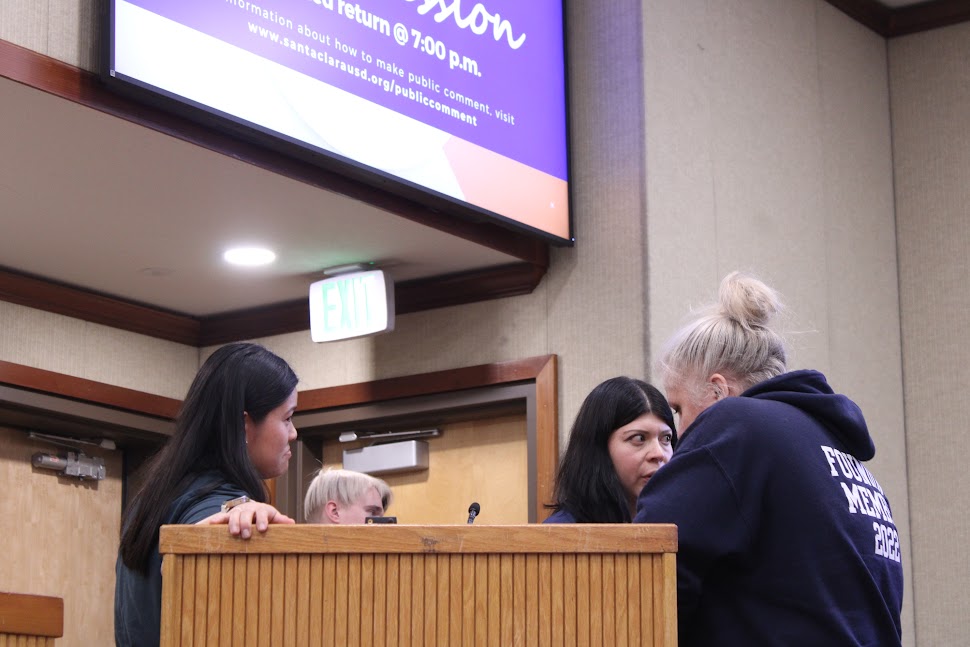
The student noted that the turnout at a recent district board meeting showed a level of concern specific to KMHS.
Sample said, “You can see a sea of Condors, literally.”
She explained that the district board members often visit other schools like Wilcox High School or Santa Clara High School, but the KMHS students wanted to show they care about their teachers by attending the meeting.
The emotional weight of the situation is felt by students who see their mentors facing displacement.
“I think it’s just disheartening that people left their jobs of like 20, 30 years just to come to the school and essentially be laid off,” Sample said.
The anonymous source also stated that the goal of KMHS’s current system is to make sure students with special needs never feel “different” or isolated.
“It creates a community in the school where any kid with any IEP or 504 never feels different.”
The source noted that having two adults in the room pushes both to be the best versions of themselves while sharing the heavy workload.
“Having another person there lets another teacher not necessarily ease back, but like have somebody to lean on.”
Sharing the work allows for a level of flexibility that single-teacher classrooms often lack.
The source said, “The ability to be flexible is like the biggest advantage that having 2 teachers is in there.”
For students like Aguilar, the stability of these programs is what allowed her to change her perspective on her learning style. She shared that she is proud of her growth and is waiting for the next step in her journey.
“Having an IEP doesn’t mean I’m less capable of doing things.”
As the SCUSD board approaches its final decisions, the KMHS community continues to advocate for staff and continuity. While stability is important for all students, it is essential for students with IEPs and 504s; for them, “rightsizing” the budget could mean downsizing their chance at success.