















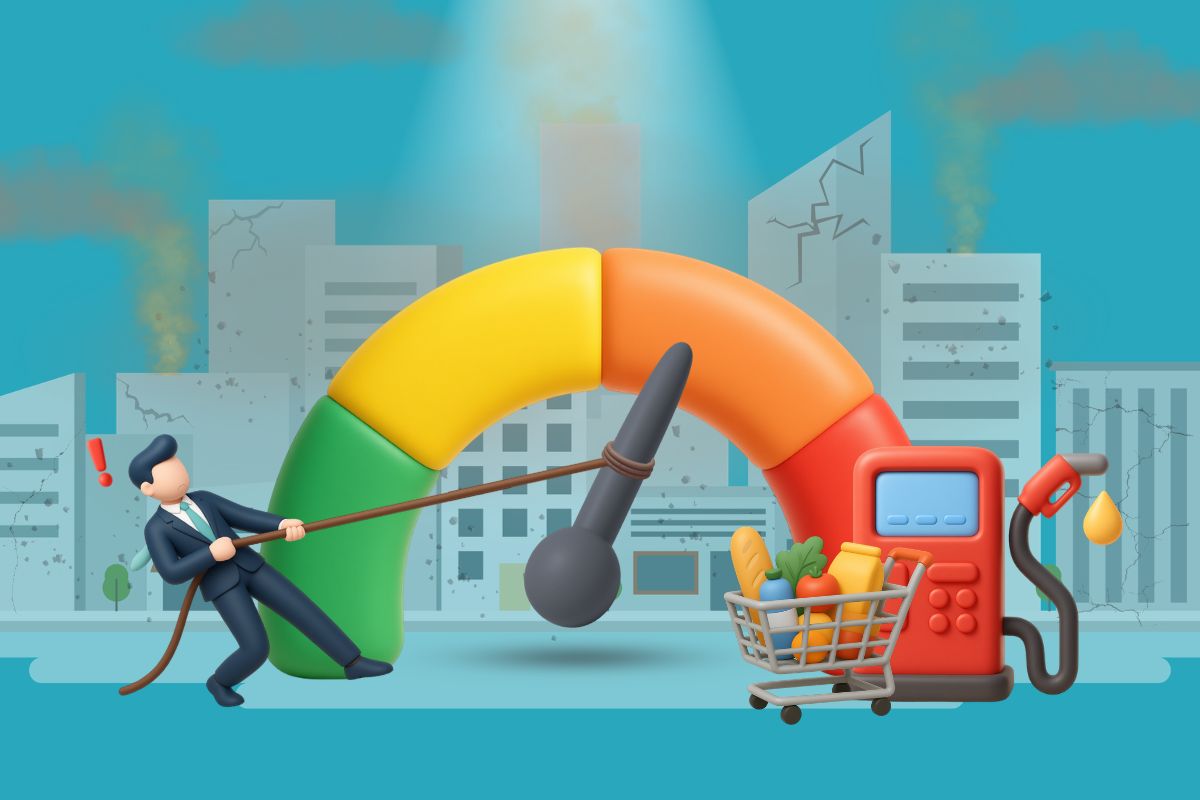



A conflict thousands of miles away now affects students and parents at home, as rising oil prices after the bombing in Iran push up the cost of gas, transportation, and everyday goods. In the Bay Area, families are adjusting their spendings as prices continue to rise. On a typical morning commute, some drivers now think twice before filling their tanks.
The conflict began after tensions between Iran and other nations escalated into attacks on major oil facilities. These strikes disrupted oil supply routes in the Middle East, which carries a large share of the world’s oil. As supplies tightened, global oil prices increased, leading to higher gas prices in the United States.
California has seen some of the highest increases, with prices rising faster than the national average in recent weeks, according to energy analysts.
Recent reports show how quickly these changes have reached local communities, with gas prices in California climbing above five dollars per gallon in many areas. Analysts say reduced global oil supply caused by the conflict is driving the increase.
As gas prices rise, transportation costs also increase. Families now spend more to drive to work or school, and public transportation fares have also gone up. Higher fuel costs also raise the price of shipping goods, making groceries and basic needs more expensive, including small items like snacks and school supplies.
Students say these changes are already affecting their daily lives. Senior student Samantha Galapate said, “The rise in prices for gas, food, and transportation have definitely affected my daily life and even changed it drastically.”
Many families are adjusting their budgets to keep up. Student guardian, Princess Tabisula, said her household now focuses more on essential items and cuts back on non-essential spending. She said that her family compares grocery prices and limits travel to save money, such as taking fewer weekend trips.
“Budgeting has become more difficult for us, especially when it comes to spending on necessary things,” Tabisula said.
Transportation is another concern for families. Higher gas prices make it harder for some parents to drive their children to school, pushing many to rely on public transportation and deal with longer commute times. Tabisula said many parents are struggling to keep up with transportation costs.
Students also report changes in spending habits. Gabrielle Abella, a freshman student, said rising prices make it harder for students to afford things they want, especially during outings with friends.
At home and at school, students are noticing changes in day-to-day activities. Galapate said her family has started budgeting more carefully and cutting back on extra spending. She added that more students now bring lunch or choose lower-cost food options at school.
For some students, the impact goes beyond finances. Mekaella Tabisula, a sophomore student, said higher food and transportation costs affect both her health and attendance. She said that finding affordable meals has become harder and that transportation challenges can sometimes lead to being late or missing school.
Global events are also shaping how students view the future. Some students say the conflict has made them more aware of how connected the world is and how international issues can affect financial stability. Galapate said, “They’ve made me think more seriously about my future, financial stability, and how unpredictable global events can shape not only my everyday life but also other people’s.”
Parents are also concerned about the emotional impact of the conflict. Tabisula said constant exposure to news about the war and rising costs creates stress and anxiety for students, even if they do not fully understand the situation.
Experts continue to monitor the situation as tensions remain high. The Strait of Hormuz, a key route for global oil supply, remains a major concern. Recent reports show that shipping through the strait has slowed due to attacks on vessels and increased military activity in the area. About 20 percent of the world’s oil passes through this route, and current disruptions have already affected global supply.
Analysts warn that these disruptions could have lasting effects. Damage to infrastructure, ongoing attacks, and uncertainty about when the route will fully reopen may keep oil supplies limited for months or longer. Some experts describe the situation as one of the largest energy supply disruptions in recent history, and recovery may take time even after the conflict ceases.
As the conflict continues, families across the Bay Area are dealing with higher costs for gas, groceries, and transportation. These changes are reshaping everyday lives and forcing families to make difficult financial decisions, and many say they do not expect relief anytime soon.